



Ringing
A high-pitched tone, similar to a bell or telephone ring
Tinnitus is the experience of hearing sounds, such as ringing, buzzing, or humming, when there's no external noise. While it can feel worrying, tinnitus is common and manageable for most people.
There's no single cure, but many effective treatments and relief options can help reduce how much tinnitus affects your daily life. At Boots Hearingcare, our expert audiologists provide personalised support to help you understand your tinnitus and manage it with confidence.

Tinnitus can sound different for everyone. Some people notice a faint background noise, while others hear a more noticeable ringing, buzzing, or humming. It may start suddenly or develop gradually and is often linked to loud noise exposure, age-related hearing loss, or certain medical conditions.
It's important to know that tinnitus is a symptom, not a disease. While it can be upsetting, especially if it's persistent, understanding what's causing it is the first step towards finding the right support and relief.
Tinnitus can take many forms. Common sounds include:
Tinnitus sounds can vary, and it's best not to self-diagnose. If you're unsure, book a free hearing test with one of our expert audiologists, who can offer advice.
Tinnitus symptoms vary from person to person, both in sound and frequency. You may experience:
Sound types: ringing, buzzing, hissing, humming, or whistling
Volume changes: sounds that fluctuate or stay constant
Timing: tinnitus that's continuous or comes and goes
Some people may also notice:
Hearing changes: reduced clarity or difficulty following conversations
Sound sensitivity: everyday noises feeling louder or uncomfortable
If tinnitus is affecting your sleep, focus, or comfort, a professional hearing assessment can help identify the cause and explore ways to manage it.
Tinnitus is often harmless, but you should seek medical advice if:
• It starts suddenly, worsens, or doesn't improve
• It affects only one ear
• You also have hearing loss, dizziness, balance issues, or ear pain
• The sound pulses in time with your heartbeat
• It interferes with sleep, concentration, or daily life
• It follows a head or neck injury
Getting checked can help rule out underlying conditions and guide you towards the right support.
Book a free hearing test to take the first step towards better hearing.
TinniSoothe is a clinically developed sound therapy device designed to help manage the perception of tinnitus. It provides soothing background sounds that can make the ringing, buzzing, or hissing less noticeable, helping you focus, relax, and sleep better.
Important: TinniSoothe is not a cure for tinnitus, but it can be used alongside other management strategies, such as hearing aids, lifestyle adjustments, or professional guidance.
.jpg?branch=web_prod)
Tinnitus is usually a symptom of an underlying issue. Sometimes the exact cause isn't clear, but common triggers include:
• Hearing loss: age-related or noise-induced
• Loud noise exposure: concerts, machinery, headphones
• Earwax build-up: blockage can worsen tinnitus
• Ear infections: fluid or inflammation
• Otosclerosis: abnormal bone growth in the middle ear
• Ménière's disease: tinnitus with dizziness and hearing loss
• Head or neck injuries: affecting nerves or brain pathways
• Medications: some painkillers, antibiotics, or diuretics
• Vascular issues: high blood pressure or blood flow changes
• Metabolic or neurological conditions: such as diabetes or thyroid disorders
• TMJ disorders: jaw joint problems
• Stress and anxiety: can make tinnitus more noticeable
Tinnitus often occurs alongside hearing loss, especially age-related or noise-induced hearing changes. However, tinnitus can also occur on its own.#
Key takeaway:
With hearing loss: tinnitus may signal changes in your hearing
Without hearing loss: tinnitus is still manageable with the right support
A hearing test can help determine whether hearing loss is contributing to your symptoms.

Tinnitus can affect more than just your hearing. For some people, it may also impact daily life.
Common effects include:
Sleep problems - tinnitus can feel louder in quiet environments
Stress or anxiety - ongoing noise can feel frustrating
Fatigue - especially if sleep is disrupted
Difficulty concentrating - particularly in quiet settings
Dizziness or balance issues - in some cases
If tinnitus is affecting your day-to-day life, support is available. A hearing care professional can help you find ways to manage it.
If tinnitus is new, persistent, or worsening, it's important to seek professional advice.
Diagnosis may include:
While there is no definitive cure for tinnitus, there are various ways to effectively manage and find relief from its symptoms.
Here are several approaches for tinnitus relief and symptom management:
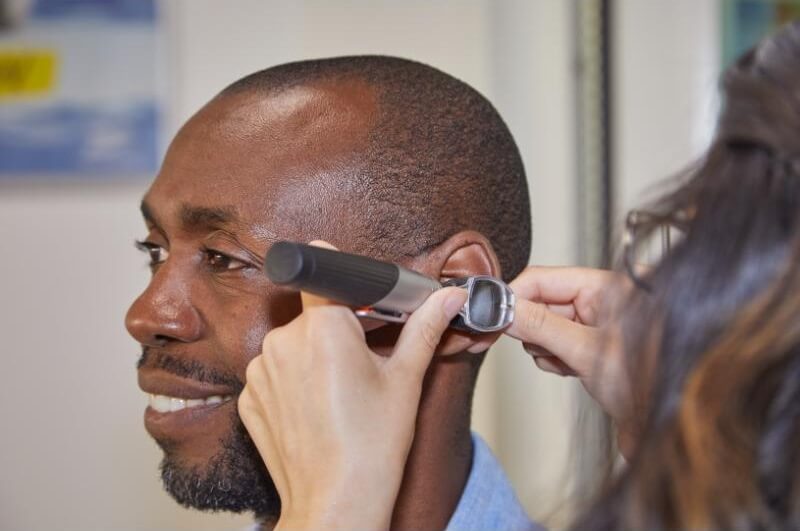
In some cases, excessive earwax can contribute to tinnitus. Professional earwax removal by a doctor or hearing care specialist can provide relief.
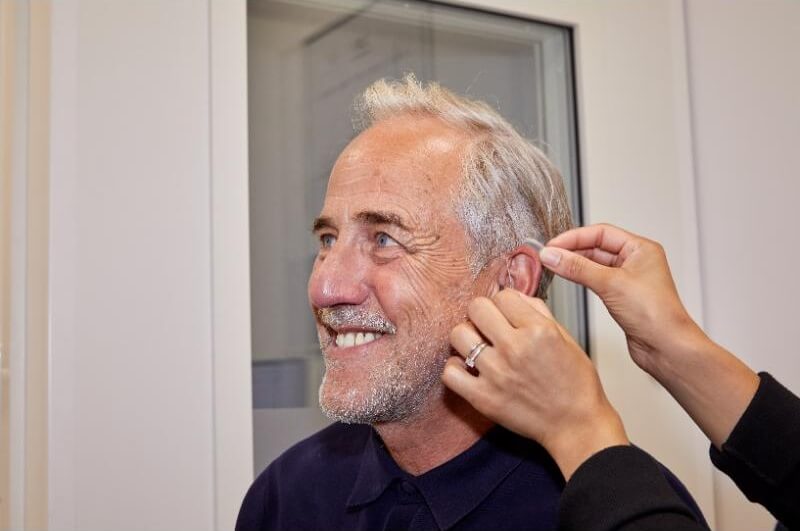
If medications are suspected of triggering your tinnitus, your doctor may recommend altering your medication and monitoring its effects.

Masking the intrusive tinnitus sounds with background noise from sources like the TV, radio, or natural sounds, can significantly reduce their prominence.

For those with intermittent tinnitus or who don't constantly notice it, hearing aids equipped with tinnitus sound adjustments can be beneficial.

tinnitus can be distressing, impacting daily life. Therapies like Tinnitus Retraining Therapy (TRT) or Cognitive Behavioral Therapy (CBT) can help individuals alter their perception and response to it
Are you curious about your hearing health? Take our quick and easy online hearing test to assess your hearing abilities. It's a simple way to gain valuable insights into your auditory well-being.

Hearing aids can be a helpful option for managing tinnitus, especially if it occurs alongside hearing loss. These devices can include built-in tinnitus programs that provide soothing sounds to make ringing, buzzing, or hissing less noticeable.
A hearing test is the best place to start. It helps our audiologists understand your hearing needs and determine whether a hearing aid could also help reduce the impact of tinnitus in daily life.


Explore how hearing aids can transform your life. Discover their effectiveness in enhancing your hearing experiences and improving your quality of life.
Find out more
Feeling stressed or anxious and noticing ringing in your ears? Anxiety can play a role in tinnitus for some people. Read our guide to understand the connection and learn simple ways to manage both stress and ear symptoms.
Find out more
Discover effective tinnitus remedies you can try at home to manage and alleviate the symptoms of this common hearing condition. Explore natural and practical solutions for tinnitus relief
Find out more

Audiologist