



Why do my ears itch? causes, relief & when to get help
Why do my ears itch? causes, relief & when to get help
5 minutes
Published: 13 July 2020
7 January 2026
Itchy ears can affect anyone and are more common than you might think. Symptoms are often worse when ears itch deep inside at night, making it difficult to sleep or concentrate.
In this guide, we'll explain what might be causing your itchy ears, how to find safe relief, and when it's important to see a specialist. You'll learn how to manage the irritation and take care of your ear health effectively.
How the ear works & why it can itch
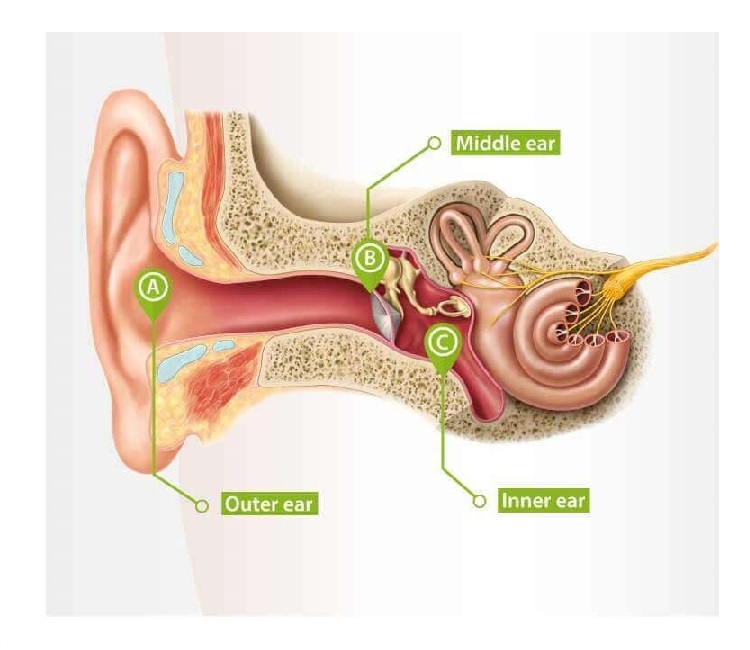
The ear is made up of three main parts:
• Outer ear
• Middle ear
• Inner ear
The part most affected by itchiness is the outer ear and ear canal, where your skin is delicate and sensitive. Learn more about how the ear works.
Your ear naturally produces earwax, which protects the skin, traps dust and debris, and keeps the canal moisturised. Earwax also helps prevent infections by creating a barrier against bacteria and water.
Itchy ears often happen when the skin inside the ear canal becomes irritated. This itch inside the ear canal can be caused by dryness, excess wax, infections, allergies, or frequent cleaning. The delicate skin reacts by sending itch signals, which is your body's way of restoring comfort and balance.
Itchy ear causes
Itchy ears are very common and can be caused by a range of everyday factors. Understanding the cause for itchy ears can help you find the right relief and know when to seek professional advice.
Itchy ear symptoms
Itchy ears can be harmless, but sometimes they signal an underlying problem. Understanding the signs helps you know when it's safe to manage at home and when to get professional advice.
Mild, occasional itching is normal
Occasional itchiness, a brief tickly feeling, or mild irritation is usually nothing to worry about. The skin inside your ear canal is thin and sensitive, so dryness, wax movement, or minor irritation can cause temporary itch in my ear. If the itch eases quickly, it's likely a harmless, temporary irritation.
When itching comes with pain or discomfort
If your ear feels more than just itchy, pay attention to other symptoms. Red flags include:
• Pain or soreness in the ear canal
• Burning or stinging sensations
• Swelling or warmth around the ear
• Pain when touching or pulling the outer ear
These could indicate inflammation, infection (like otitis externa), or trapped moisture. Avoid inserting objects or trying home remedies until you've been checked by a healthcare professional.
Drainage, swelling or hearing changes
Discharge from the ear canal (clear, yellow, or bloody) suggests infection or a ruptured eardrum. Swelling or redness may indicate outer ear inflammation.
Muffled or reduced hearing could be due to wax build-up or infection. Our team can help check and remove earwax safely as part of treatment for itchy ears.
If you notice any of these symptoms, see a doctor or audiologist.
Itchy ears at night: why it happens
Itchy ears at night are a common complaint, and many people notice that their ears itch deep inside at night when trying to sleep. Lying down increases blood flow to the ears, which can make even mild irritation more noticeable.
Dry ear canal skin or wax movement can also make your ears feel itchy in the evening, especially in dry or warm environments. These sensations are usually harmless but can disrupt sleep.
Itchy ears remedies
Home care tips
Most mild ear itches can be eased at home. Try gently cleaning the outer ear with a soft cloth, using a few drops of olive oil for dry skin, and keeping your ears dry after swimming, bathing, or showering. These simple steps are an effective itchy ear remedy.
Over-the-counter options
Hydrocortisone ear drops or anti-itch solutions can act as an ear itching solution. Always follow the instructions and avoid prolonged use without professional advice.
Safety tips
Never insert cotton swabs or other objects into your ear canal, as this can worsen irritation or push wax deeper. Persistent symptoms should be assessed by an audiologist.
If you want to learn more about the risks of Q-tips for your ears, our guide has all the answers.
Itchy ears: frequently asked questions
Author
Boots Hearingcare
Boots Hearingcare